Level up your creative workflow. Learn how to use AI design prompts to create hyper-realistic 3D assets and master the viral Nano Banana aesthetic.
How to Master AI Art: A Guide to the Nano Banana Design Trend
Are you looking to level up your design game without spending hours in complex 3D software? If you’ve been scrolling through Instagram lately, you might have seen a viral trend making waves: the Nano Banana. This unique, hyper-realistic, and often surreal aesthetic is capturing the attention of creators everywhere. Thanks to the power of AI, you can now “steal” these high-end looks for your own projects using specific AI design prompts. Let’s dive into how you can master this trend and streamline your creative workflow.
What is the Nano Banana Design Trend?
The “Nano Banana” trend refers to a specific style of 3D-rendered art characterized by its hyper-realistic textures, minimalist backgrounds, and often unconventional subjects—like a high-tech or stylized banana. It blends “solorpunk” aesthetics with sleek, professional product photography.
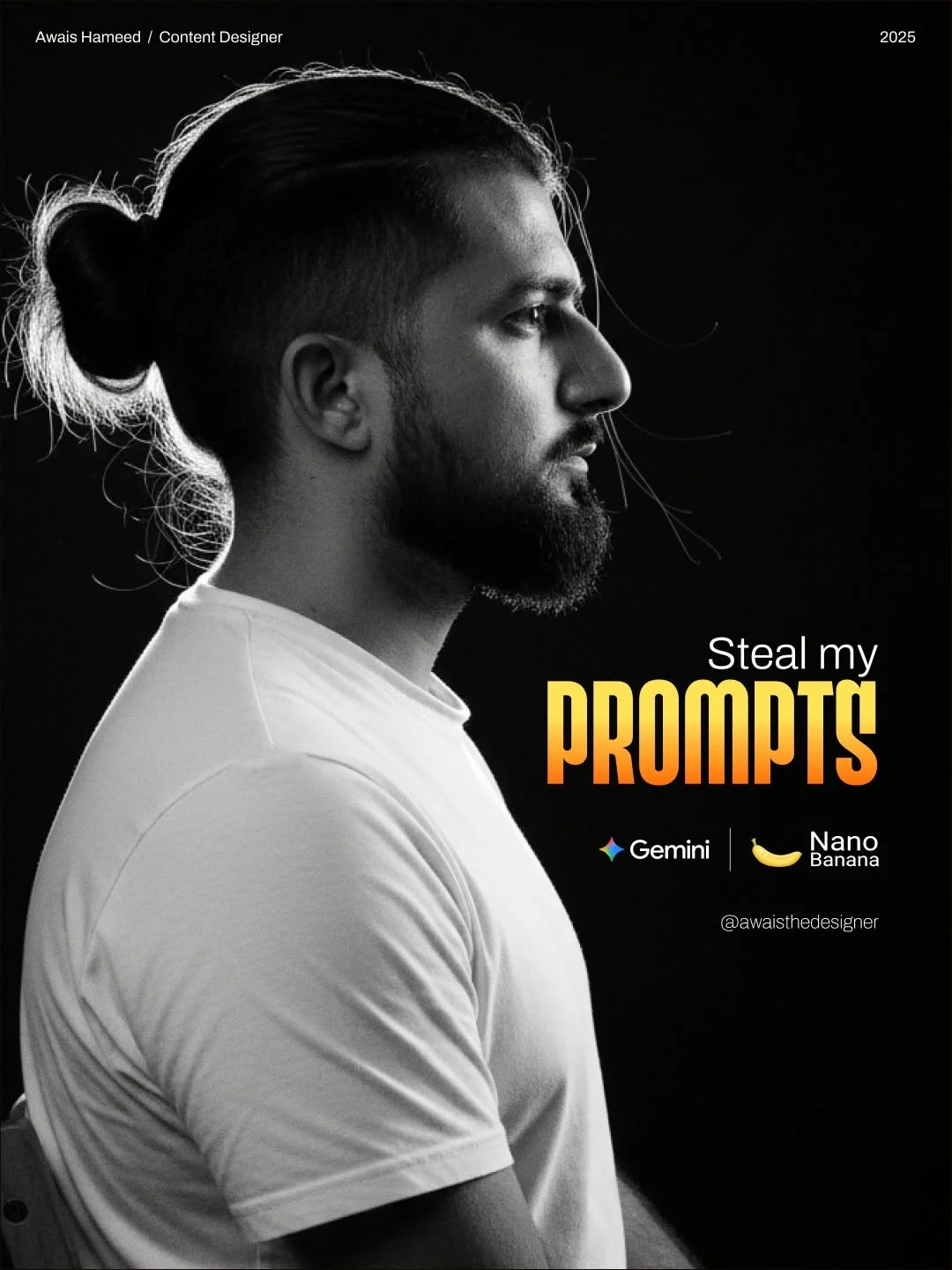
In the design community, players like @awaisthedesigner have popularized this by showcasing how text to image prompts can generate assets that look like they took weeks to model in 3D software, but actually took only seconds to render using AI tools.
Why Designers are Using AI Prompts for 3D Assets
In the past, creating a 3D asset required expensive hardware and years of training in software like Blender or Cinema 4D. Today, artificial intelligence in graphic design has flipped the script.
Designers are turning to AI because it acts as a digital shortcut. It allows you to visualize a concept instantly. Whether you need a metallic fruit for a landing page or a surreal character for an ad campaign, AI can generate it with incredible lighting and detail. It’s not about replacing creativity; it’s about removing the technical friction that stops great ideas from becoming reality.
Benefits of Using Ready-to-Use AI Prompts
If you are just starting out, writing a prompt from scratch can be frustrating. You might end up with “uncanny” or blurry images. That is why ready-to-use AI prompts are a goldmine for creators.
- Drastic reduction in concept development time: Instead of sketching for hours, you start with a high-quality base.
- Consistency in lighting and material textures: Expertly crafted prompts ensure that “gold” looks like gold and “glass” looks like glass.
- Ability to iterate quickly for client feedback: Want to see the banana in blue chrome instead of yellow? Just change one word in the prompt.
- Lowering the barrier to entry: You don’t need to be a 3D master to create trendy 3D design assets.
How to Use the Nano Banana Prompts Effectively
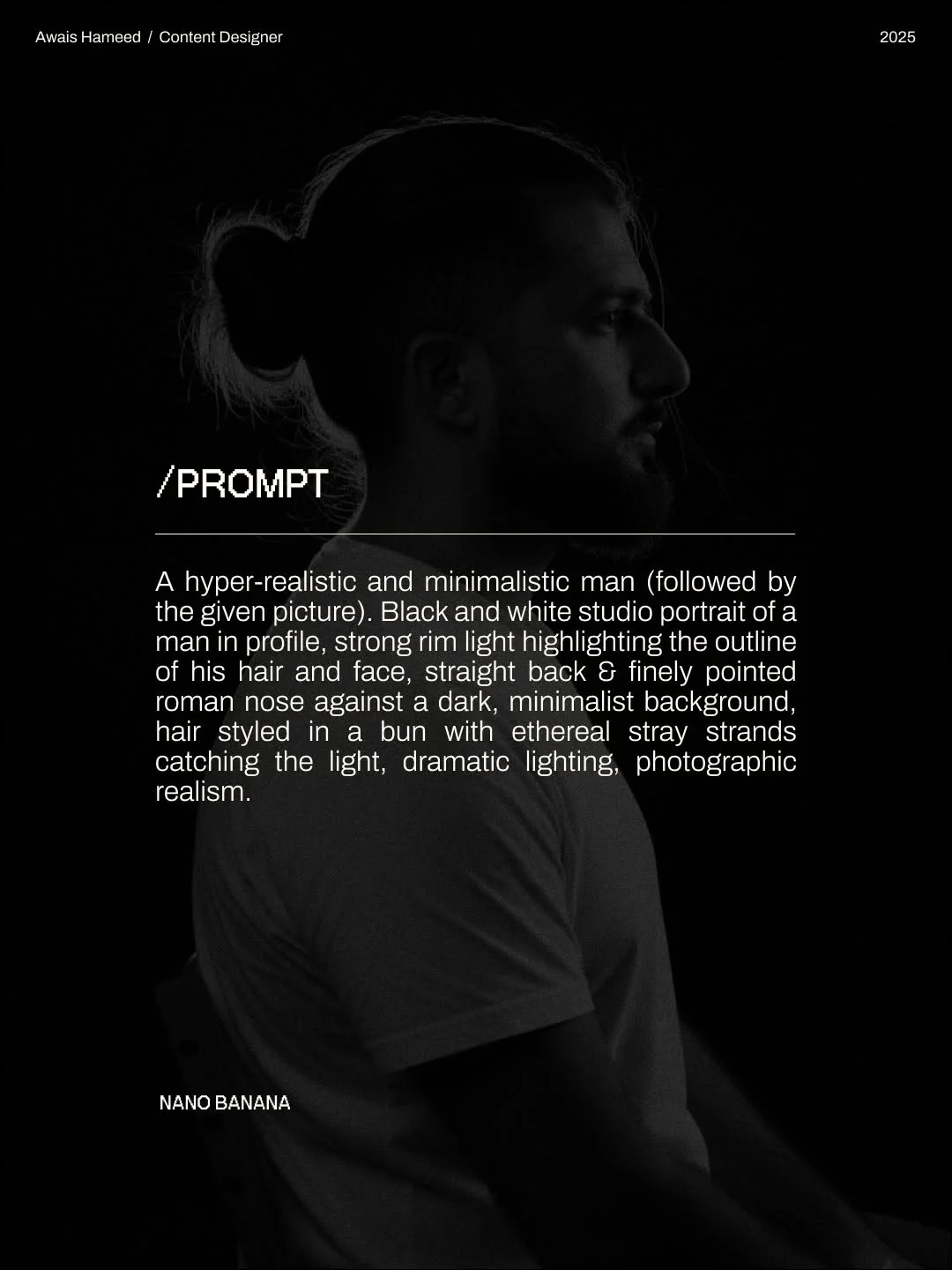
To get the most out of these creative design prompts, you need a solid strategy. Here is how to handle the “Nano Banana” style:
- Selecting the Right Platform: For hyper-realism and 3D textures, Midjourney is often the gold standard. However, DALL-E 3 is excellent for following complex instructions perfectly.
- Adjusting Aspect Ratios: Most AI tools default to a square (1:1). If you’re making Instagram Stories, remember to add
--ar 9:16at the end of your Midjourney prompts. - Modifying Descriptors: Don’t be afraid to tweak the colors. If the prompt says “yellow banana,” try “iridescent obsidian” for a more futuristic look.
- Post-processing in Photoshop: AI often struggles with tiny details. Use Adobe Photoshop to clean up edges, adjust color grading, or add your brand logo to the final output.

Essential Elements of a High-Quality Design Prompt
If you want to become a master of prompt engineering for creators, you need to understand the four pillars of a great prompt:
- Subject Specificity: Don’t just say “banana.” Say “a single peeled banana with a metallic chrome finish.”
- Lighting Styles: This is the most important part. Use terms like “cinematic lighting,” “soft studio glow,” or “neon rim light” to set the mood.
- Material Properties: Tell the AI how the surface should feel. Is it “matte,” “liquid metal,” “velvet,” or “organic”?
- Camera Angles: Think like a photographer. Use “wide angle,” “macro shot,” or “depth of field” to create professional-looking focus.
Best Practices for Sharing Content on Instagram
Once you’ve used these digital art prompts to create something stunning, you need to share it correctly to grow your audience.
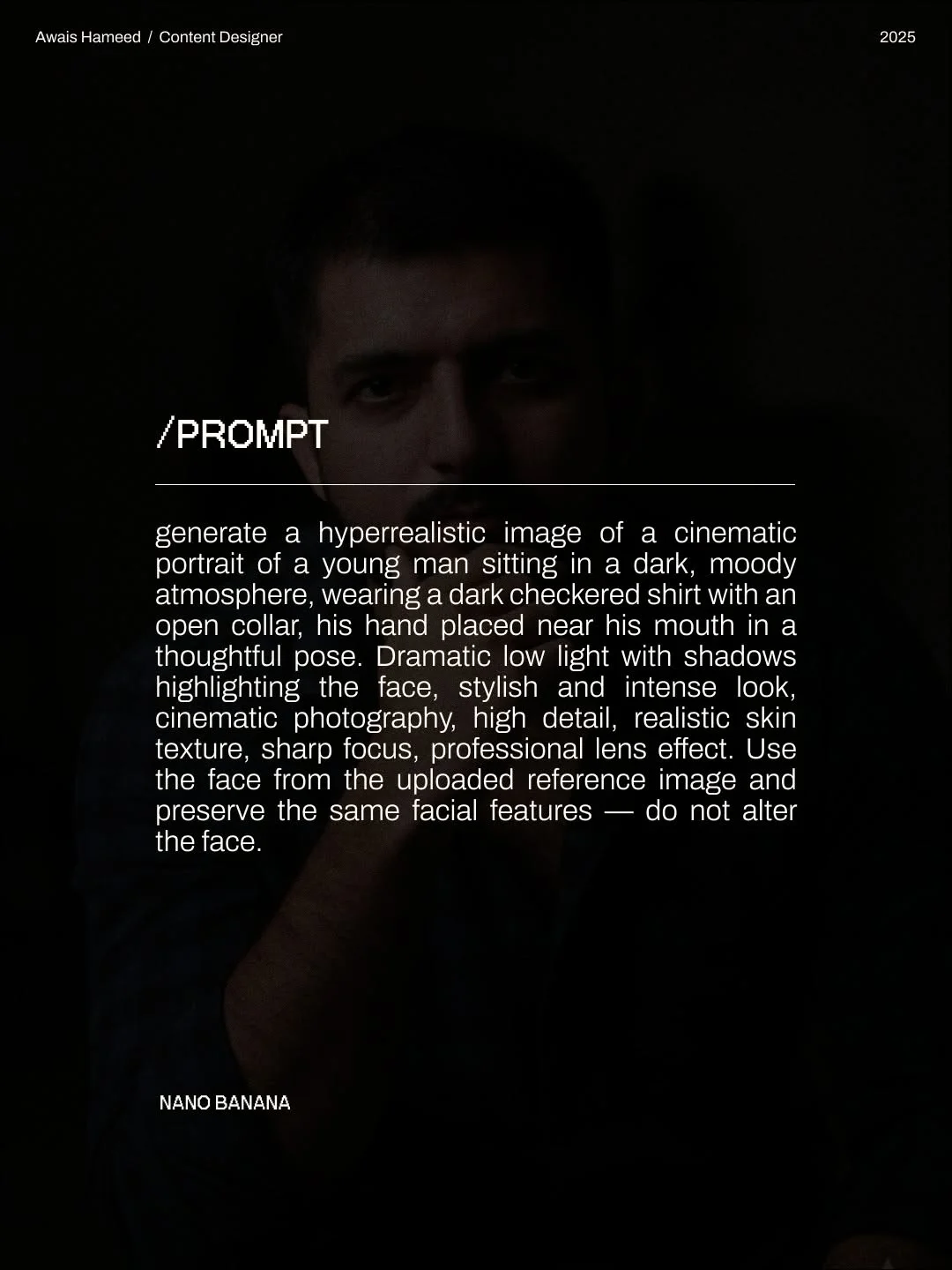
- The “Comment Prompt” Strategy: As seen in the @awaisthedesigner post, telling people to “Comment ‘Prompt’ for the link” is a genius move. This triggers Instagram’s algorithm because it shows high engagement.
- Relevant Hashtags: Use a mix of broad and niche tags like #AIDesign, #MidjourneyArt, and #3DIllustration.
- Workflow Automation: Use tools like ManyChat to automatically DM the prompt to anyone who comments. This turns your post into a 24/7 lead generation machine.
Top Tools to Enhance Your AI Design Workflow
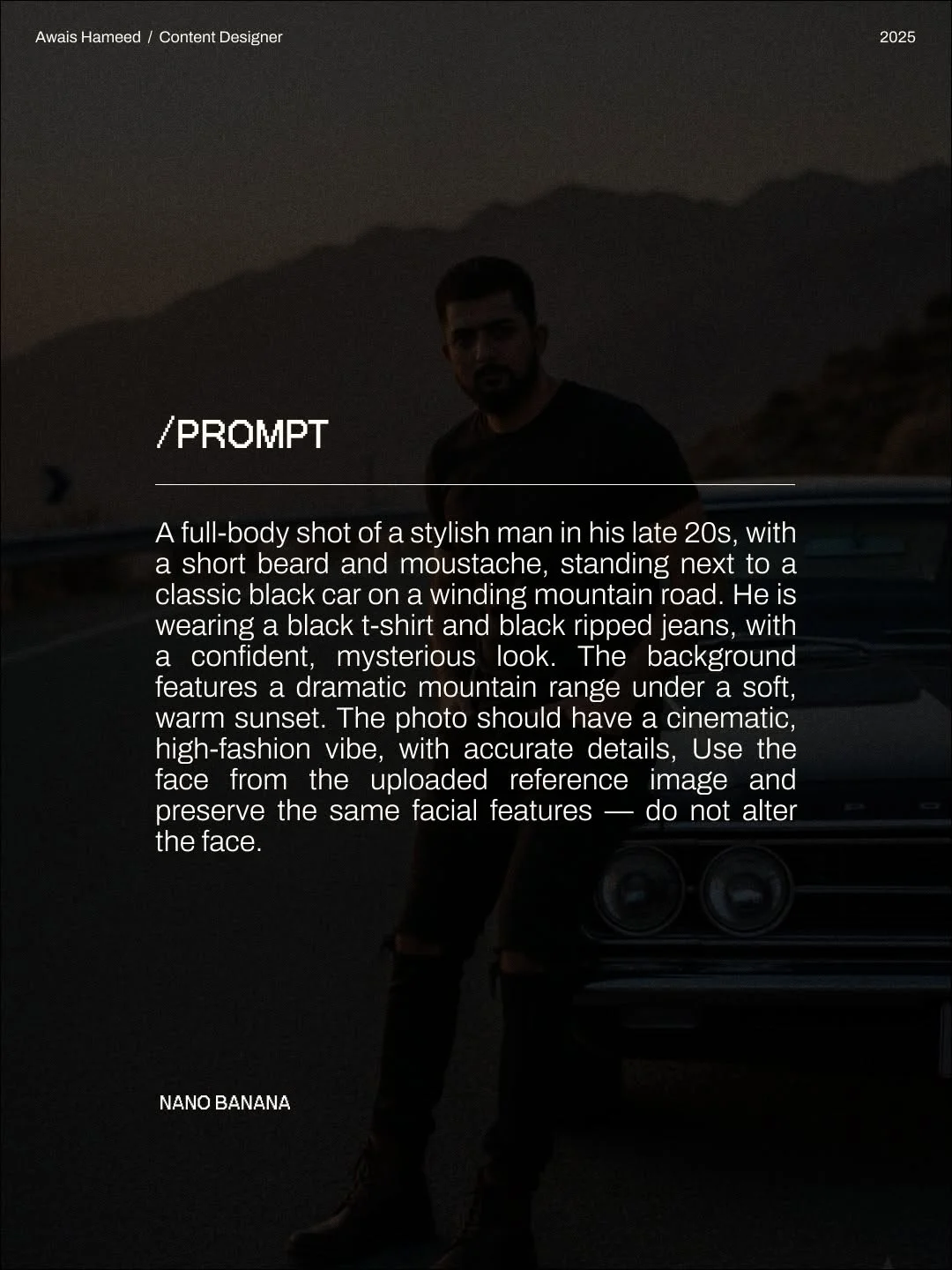
To take your creative asset generation to a professional level, you need more than just prompts. Here are three tools every AI designer should use:
- Gigapixel AI: This tool upscales your AI-generated images so you can use them for high-resolution printing or large banners without losing quality.
- ClipDrop: Great for AI-driven background removal and relighting your images after they are generated.
- Lightroom Mobile: Use this for quick color grading to ensure all your AI assets have a consistent look across your Instagram feed.
Frequently Asked Questions
1. What are Nano Banana prompts? These are specific text instructions used in AI generators to create 3D-style assets that follow the minimalist, hyper-realistic aesthetic made popular by creators like Awais Hameed.
2. Which AI tool is best for 3D fruit designs? Midjourney v6 is currently the best for textures and lighting, but DALL-E 3 is becoming a popular choice for its ease of use within ChatGPT.
3. Can I use these AI-generated designs for commercial projects? This depends on the AI platform’s terms of service. Most paid plans (like Midjourney or ChatGPT Plus) allow commercial use, but always check the latest guidelines.
4. How do I get the prompts from the “awaisthedesigner” post? Usually, you simply need to comment the word “Prompt” on the post, and a DM will be sent to you automatically with the full list.
5. Do I need 3D modeling skills to use these prompts? Not at all! That is the beauty of this beginner AI design guide. The AI handles the “modeling”—you just handle the “directing.”
6. How can I make my AI designs look more realistic? Use words like “photorealistic,” “8k resolution,” “unreal engine 5 render,” and “ray tracing” in your prompt to push the AI toward a high-end look.
7. What are the best hashtags for AI design content? Try #AIArtCommunity, #DigitalDesign, #PromptEngineering, and #3DArtist.
8. How do I automate sending prompts to my followers? Tools like ManyChat allow you to set up a “Keyword Trigger.” When someone comments your keyword, the tool instantly DMs them your resource link.
By using these professional design shortcuts, you can stay ahead of the curve and create stunning visual content that stops the scroll. Start experimenting with these prompts today and see what you can create