Learn how to use Google Gemini AI to create hyper-realistic luxury product mockups using professional editorial photography techniques.
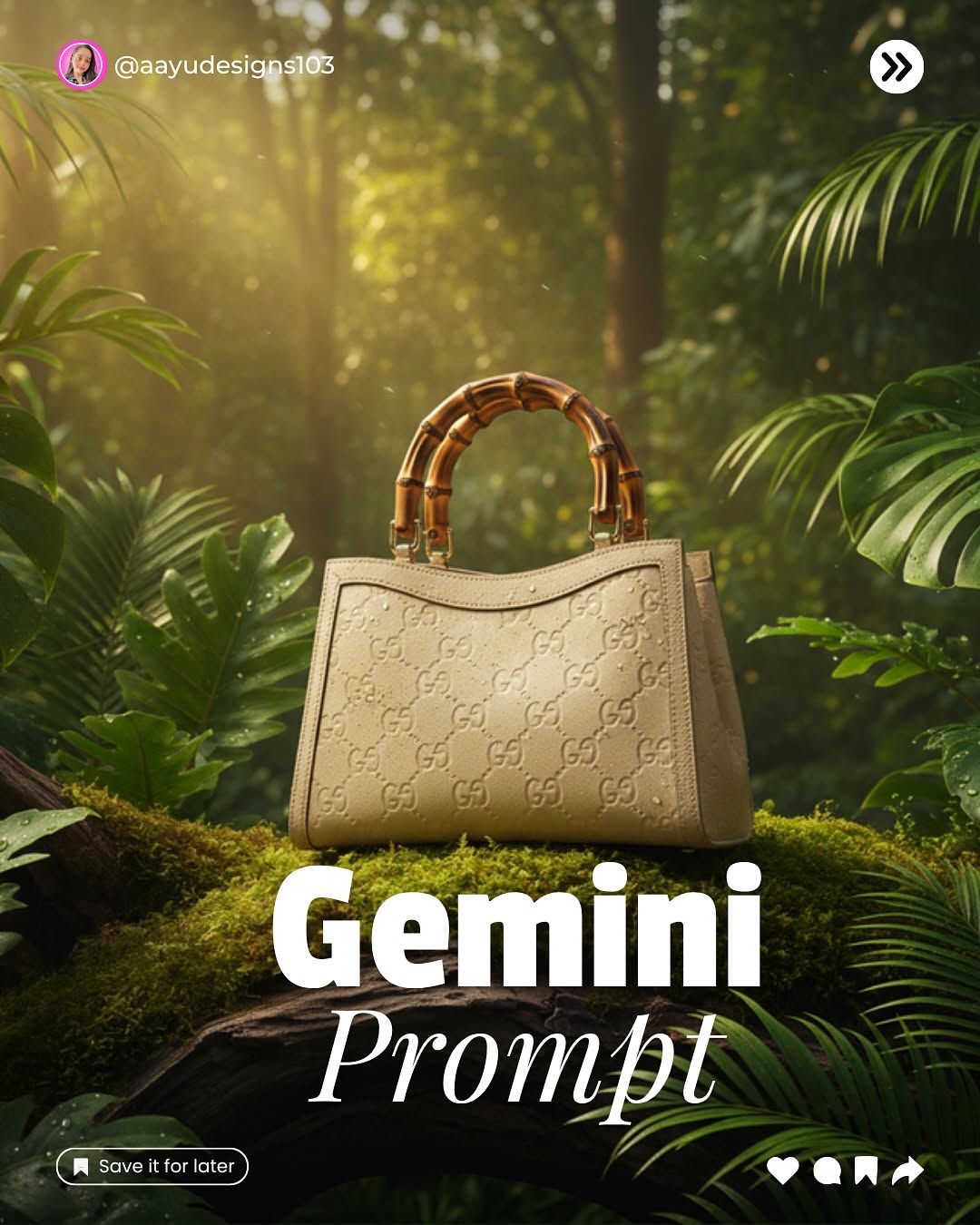
1. The Death of the Generic Stock Photo
Designers are no longer stuck with stale stock libraries or multi-thousand-dollar studio sessions. Hyper-realistic AI generation has flipped the script. With Google Gemini, you act as creative director, lighting tech, and photographer to build high-end campaigns in seconds.
Most creators fail because of the “Luxury Gap.” A prompt like “luxury bag in a forest” returns flat, unfinished renders. To bridge this gap, speak to the AI like a professional photographer. Focus on textures, lens optics, and an eye for high-end aesthetics.
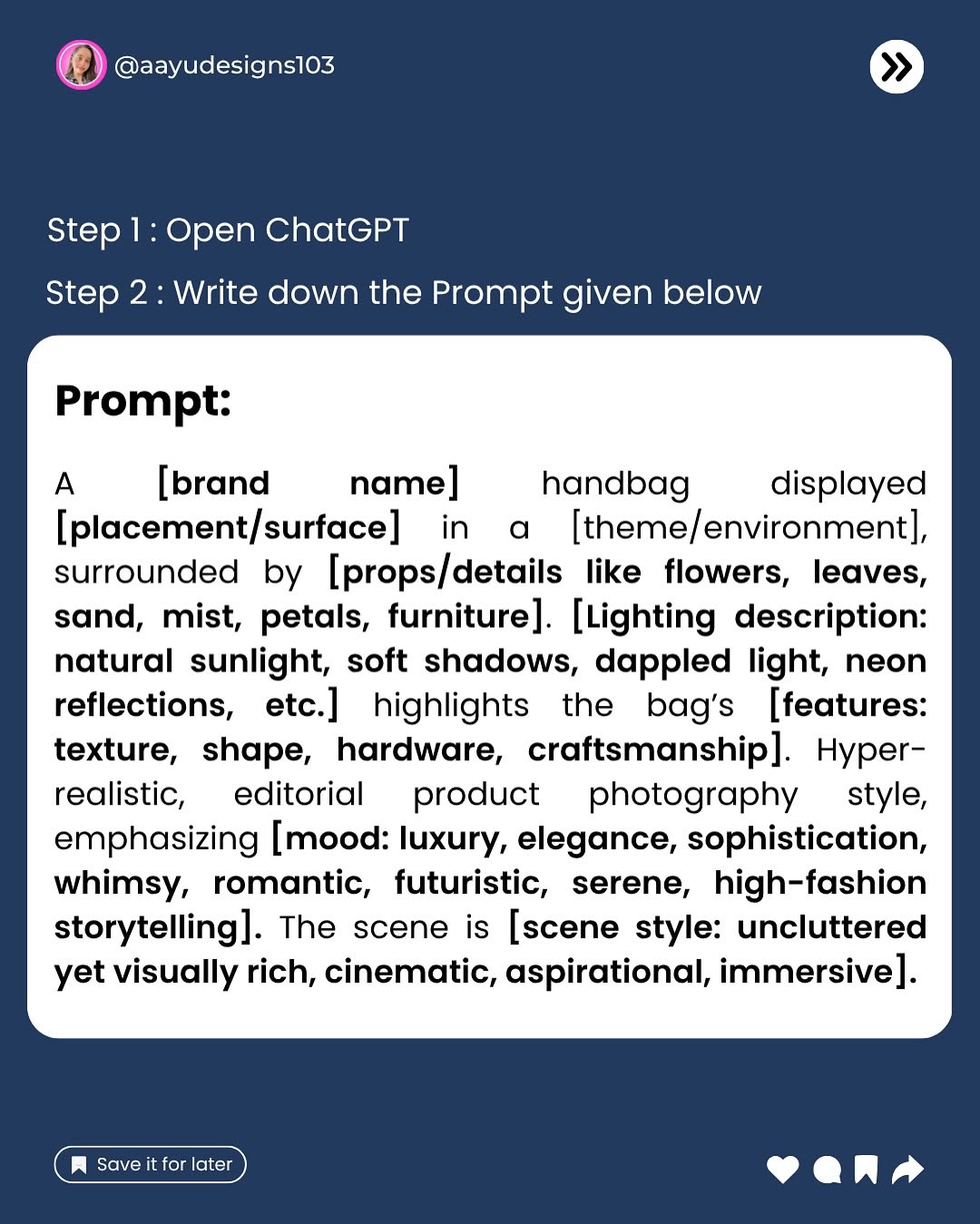
2. The Anatomy of a High-End Prompt
Professional results require a framework. This “Master Template” functions like a photography call sheet. By specifying the surface, theme, and lighting, you provide the technical constraints Gemini needs to avoid plastic-looking shadows.
3. Selling the Atmosphere: Nature vs. Urban
The environment sets the brand’s voice. Small adjustments to lighting and setting transform the narrative.
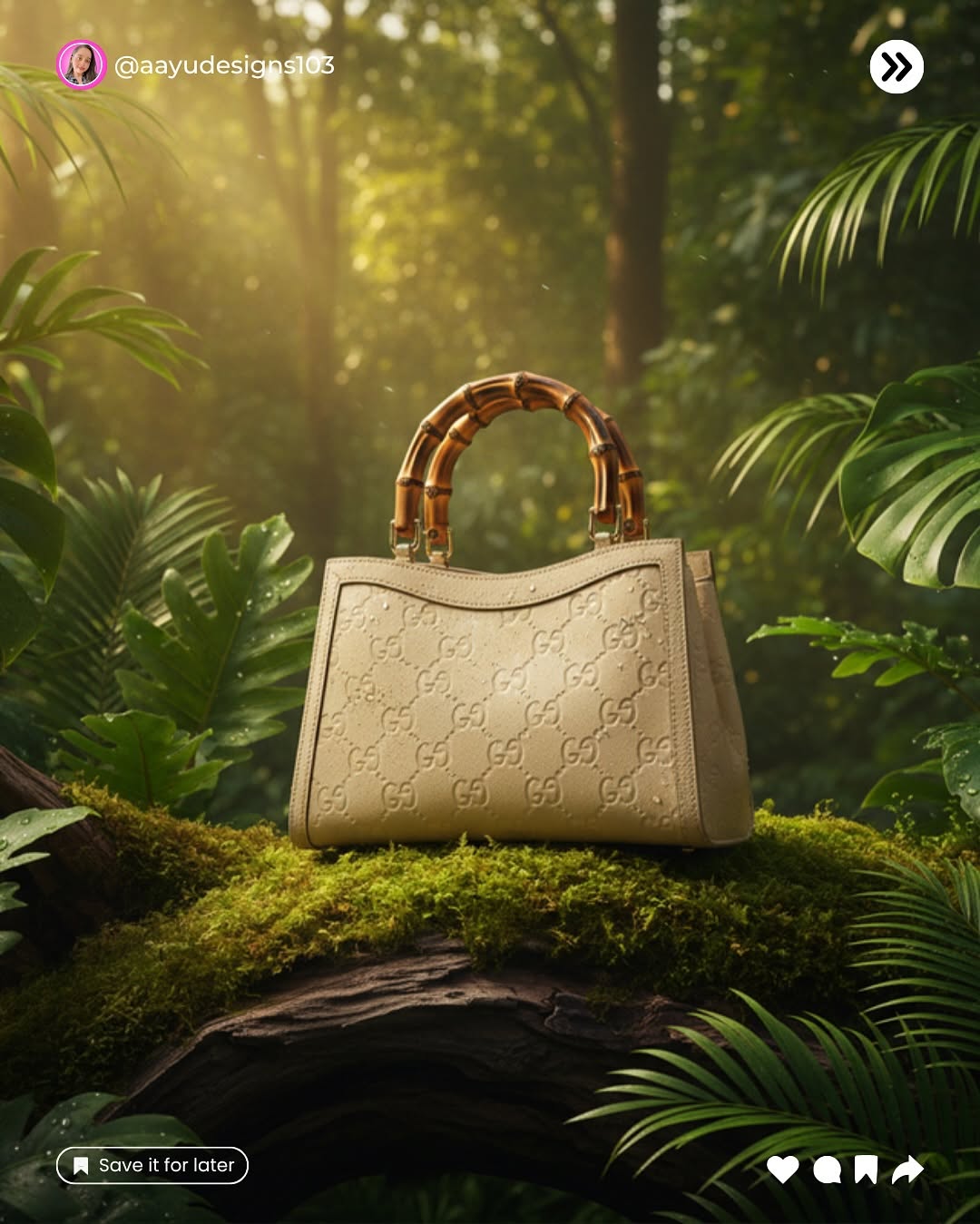
Using “dappled light” in a jungle setting suggests organic luxury, reminiscent of Hermès. Switching to “golden hour” on a city rooftop shifts the vibe to high-society urban living. These choices provide the depth necessary for an image to look like a real-world shot.
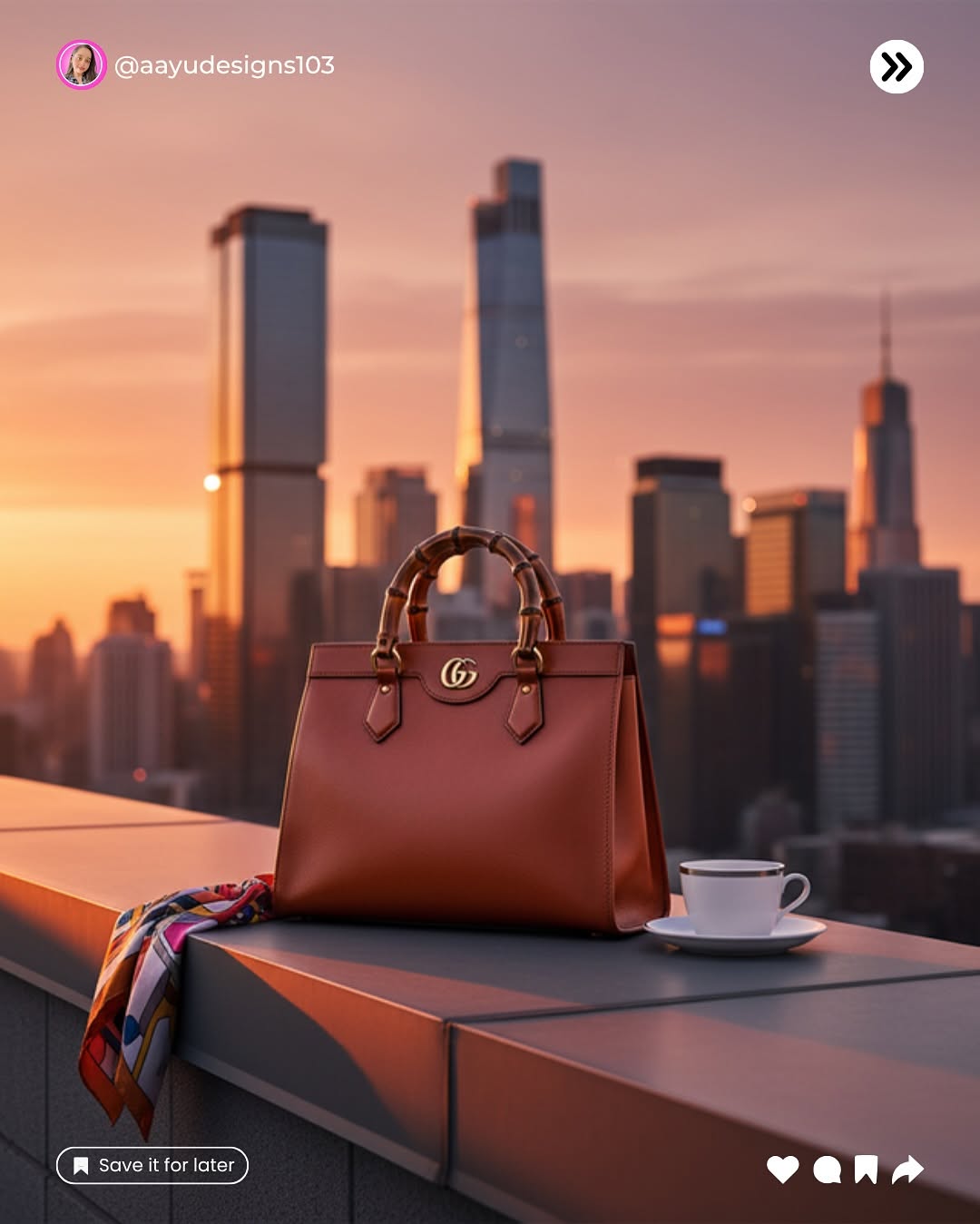
4. Texture & Seasons
Luxury is in the details. Be obsessive. Mention the “pebbled grain of the leather,” “brushed gold-tone hardware,” or “micro-stitching” to separate an editorial asset from a cheap imitation.
Seasonal elements build a narrative. For a limited-edition winter vibe, add “crisp frost” or “cool morning light on stone.” This sensory contrast—soft leather against cold stone—creates a premium, tactile experience.
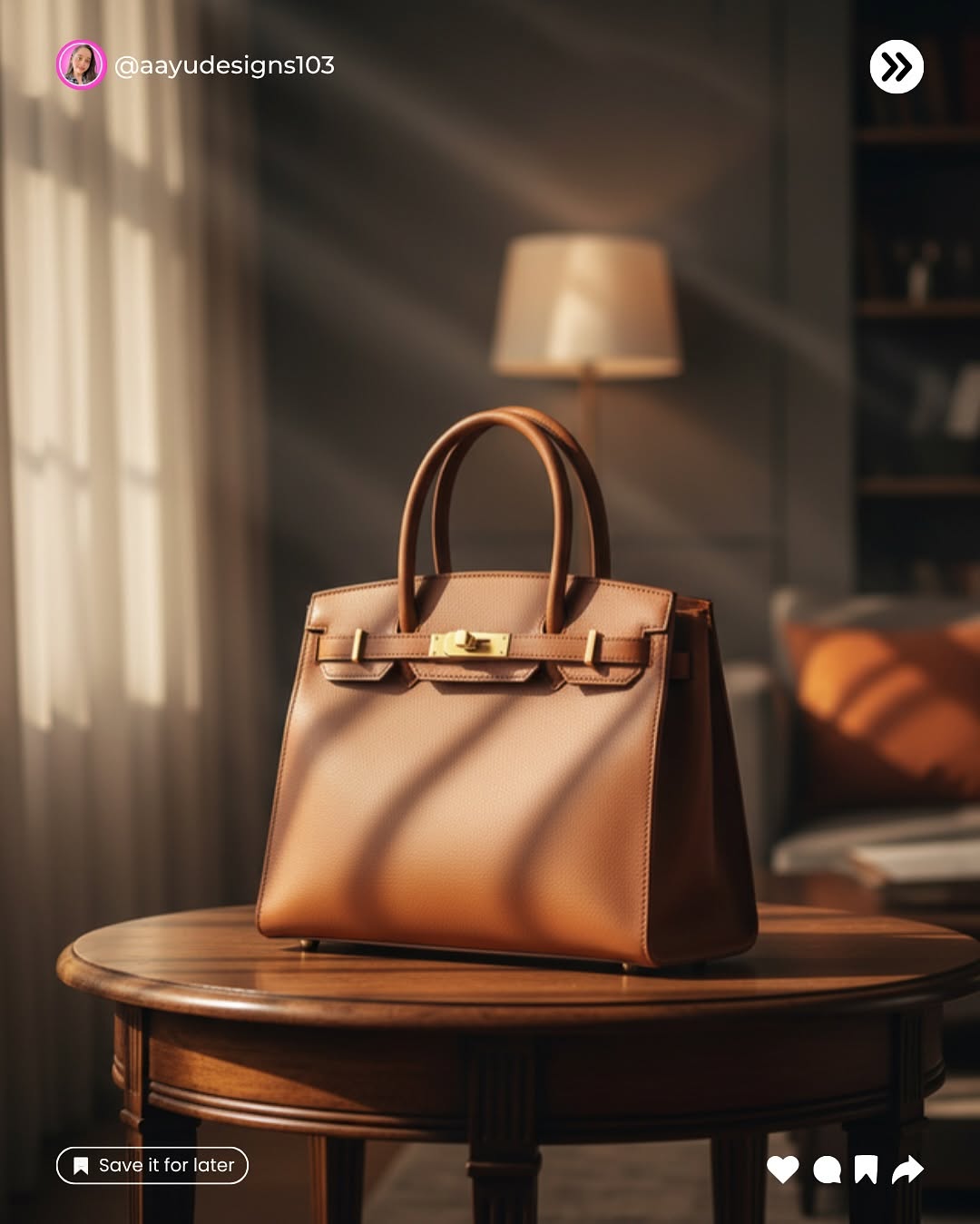

5. The “Studio” Secret: Editorial Minimalism
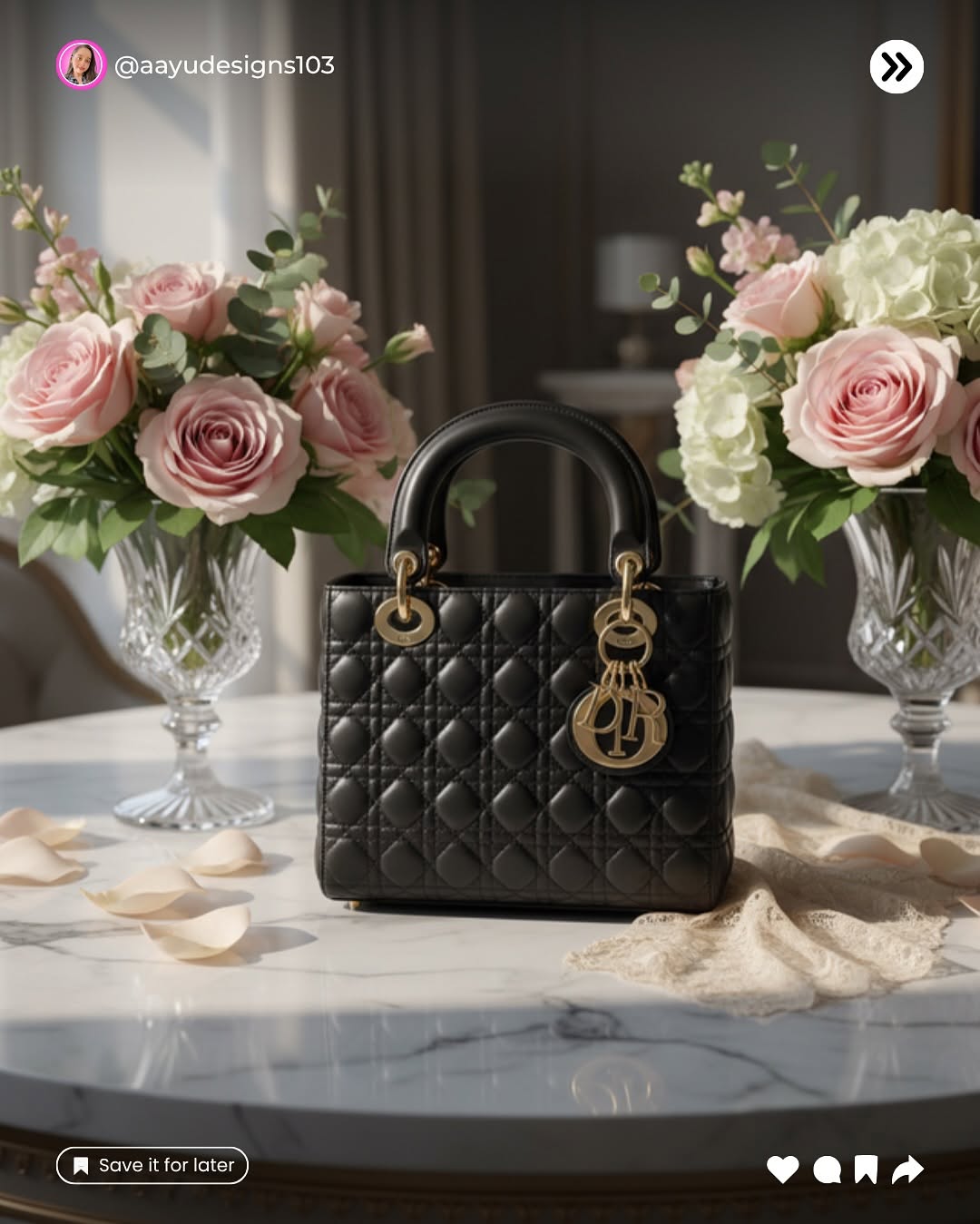
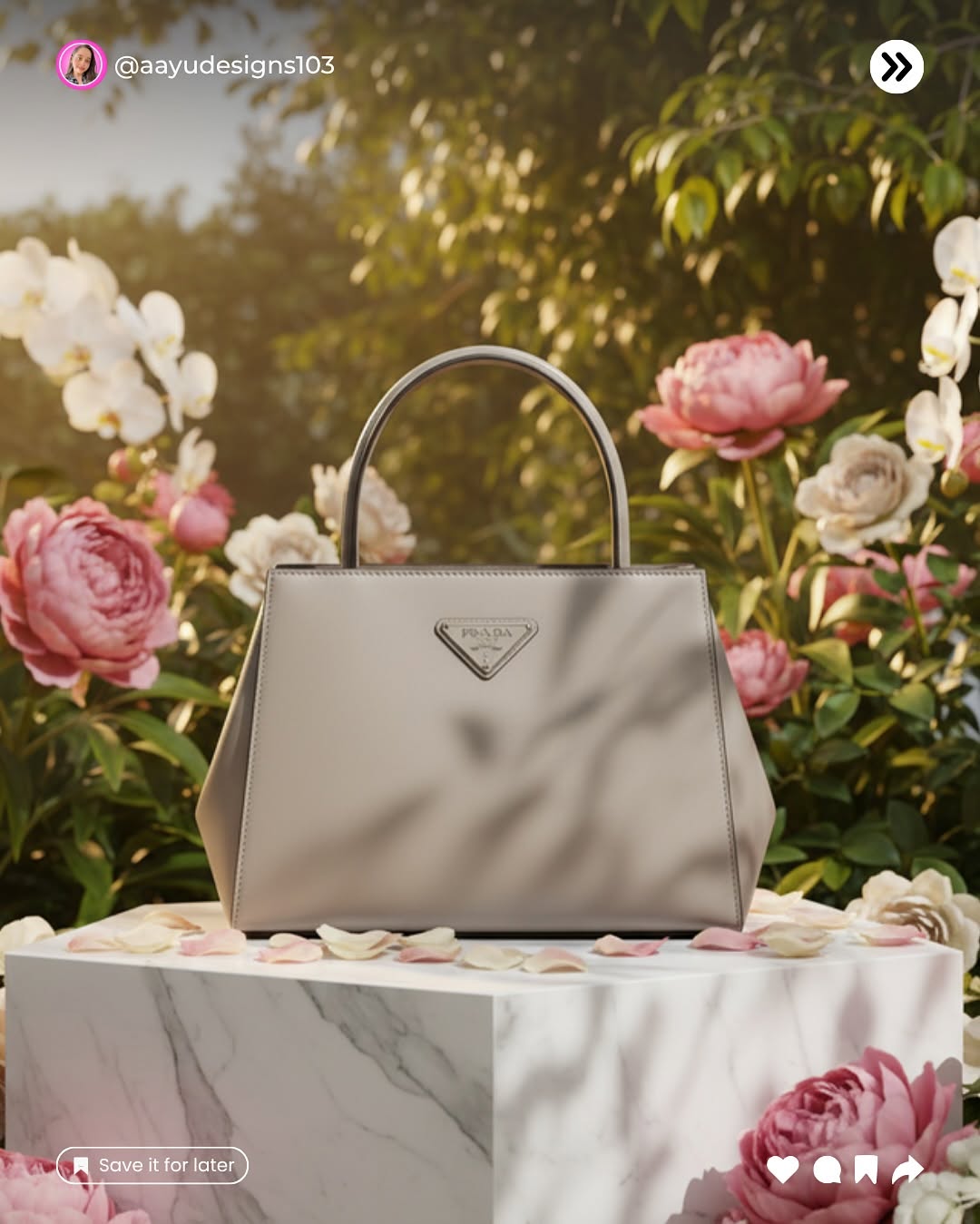
When a product’s silhouette should dominate, use editorial minimalism. “Marble Plinths” and “Soft Floral Accents” mimic high-budget studio shoots where every prop is placed with intent.
An “uncluttered composition” gives the brand room to breathe. Soft-focus roses and clean white surfaces communicate “quiet luxury,” a high-fashion aesthetic perfect for hero banners or social media grids.
6. The Takeaway
Mastering these prompts allows you to prototype concepts in an afternoon that once took an entire crew weeks to produce. Gemini helps you tell a brand story with surgical precision.
Pro Tip: Take the Master Template and experiment with “vibes.” Toss a rugged leather bag into a desert or place a sleek clutch in a neon-lit gallery. The possibilities are infinite.
Follow @aayudesigns103 for more AI design secrets and daily prompt inspiration.