Learn how to move beyond plastic-looking AI portraits by using professional cinematography specs and heritage fashion textures for a realistic editorial look.
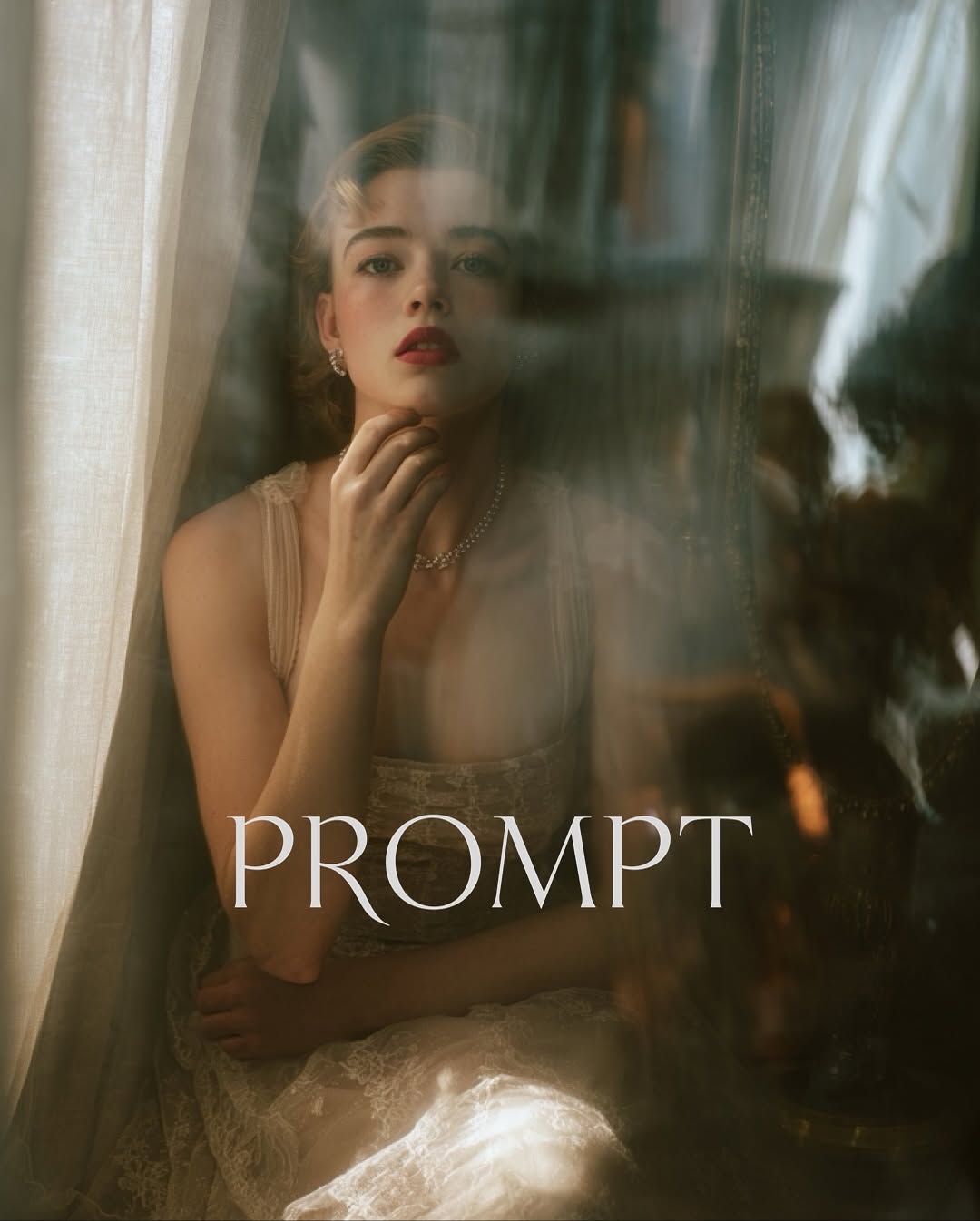
The New Era of AI Luxury Editorial
AI has graduated into high-fashion storytelling. We are moving past “uncanny valley” plastic skin and perfect symmetry toward a photorealistic fashion editorial look suitable for Vogue.
Think of 1950s Dior elegance meeting the raw power of an ARRI Alexa camera. When you mix heritage luxury with cinematography specs, digital creations feel expensive, intentional, and human.
Successful visuals prioritize technical precision over generic adjectives. By using filmic language to recreate a lost memory of Old Paris, we achieve Midjourney couture that carries emotional weight.
Decoding the Dior Aesthetic
Couture is defined by textures. To nail this, prompt for how fabric lives: the heavy drape of silk, the intricate grit of ivory lace, or the tactile sheen of satin.
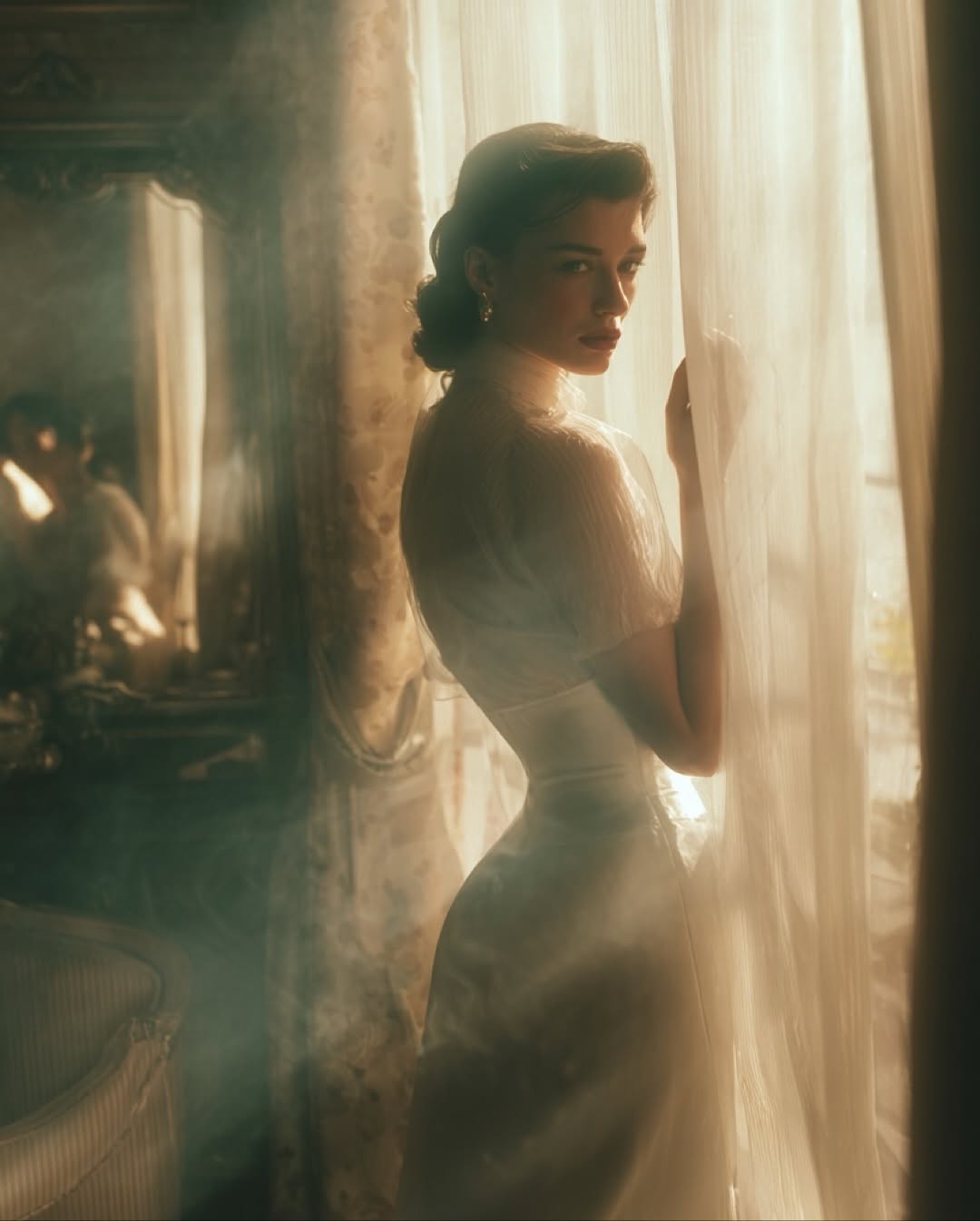
Avoid digital voids. A Dior-inspired shot requires the atmosphere of a real Parisian apartment—peeling wallpaper, tarnished mirrors, and gilded frames. This “lived-in” luxury prevents images from looking like sterile 3D renders.
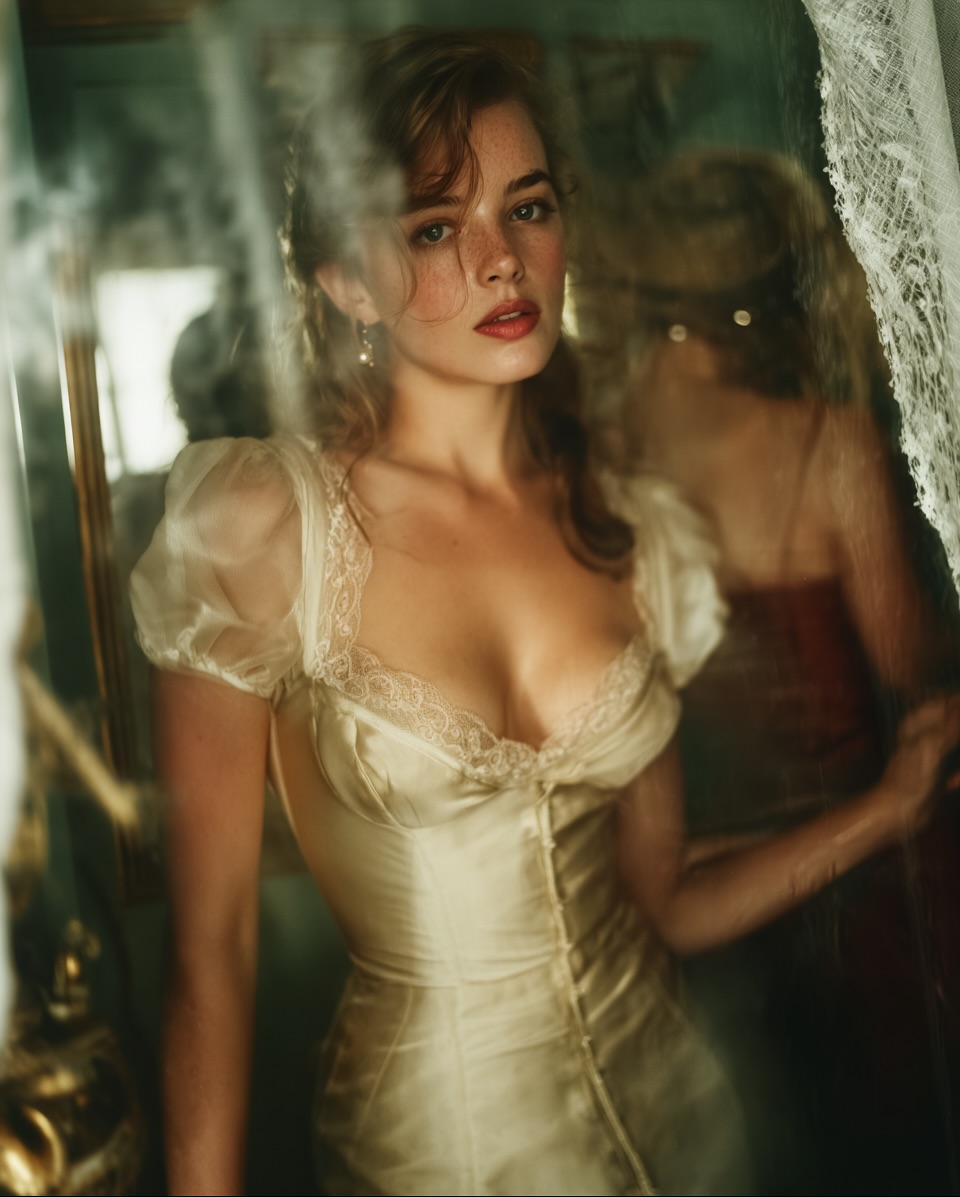
Parisian Style and Atmosphere
Build a backdrop that supports the fashion. Using props like vintage mirrors and dimly lit rooms creates quiet, expensive solitude.
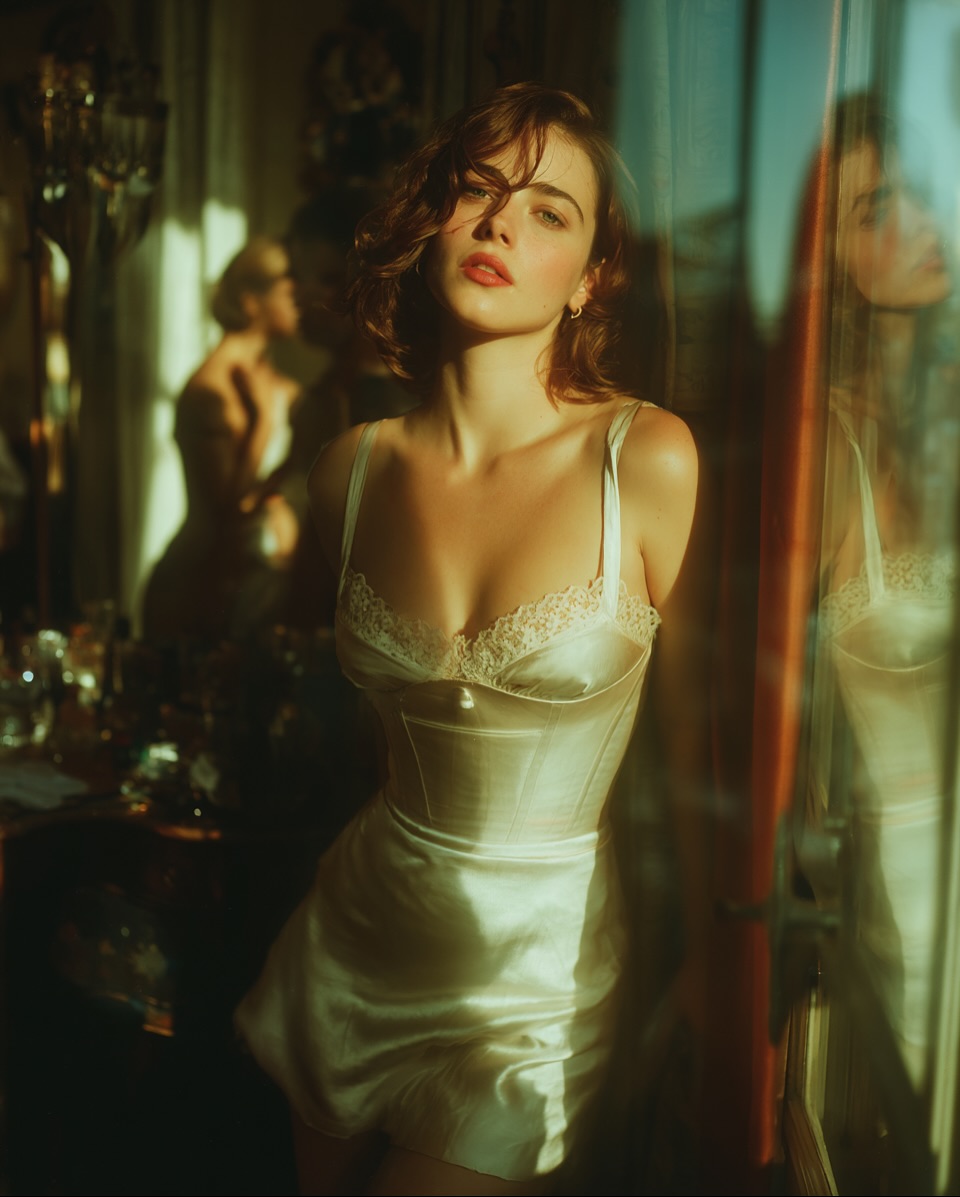
The Technical Blueprint
To achieve authentic Kodak Portra tones, speak like a Director of Photography.
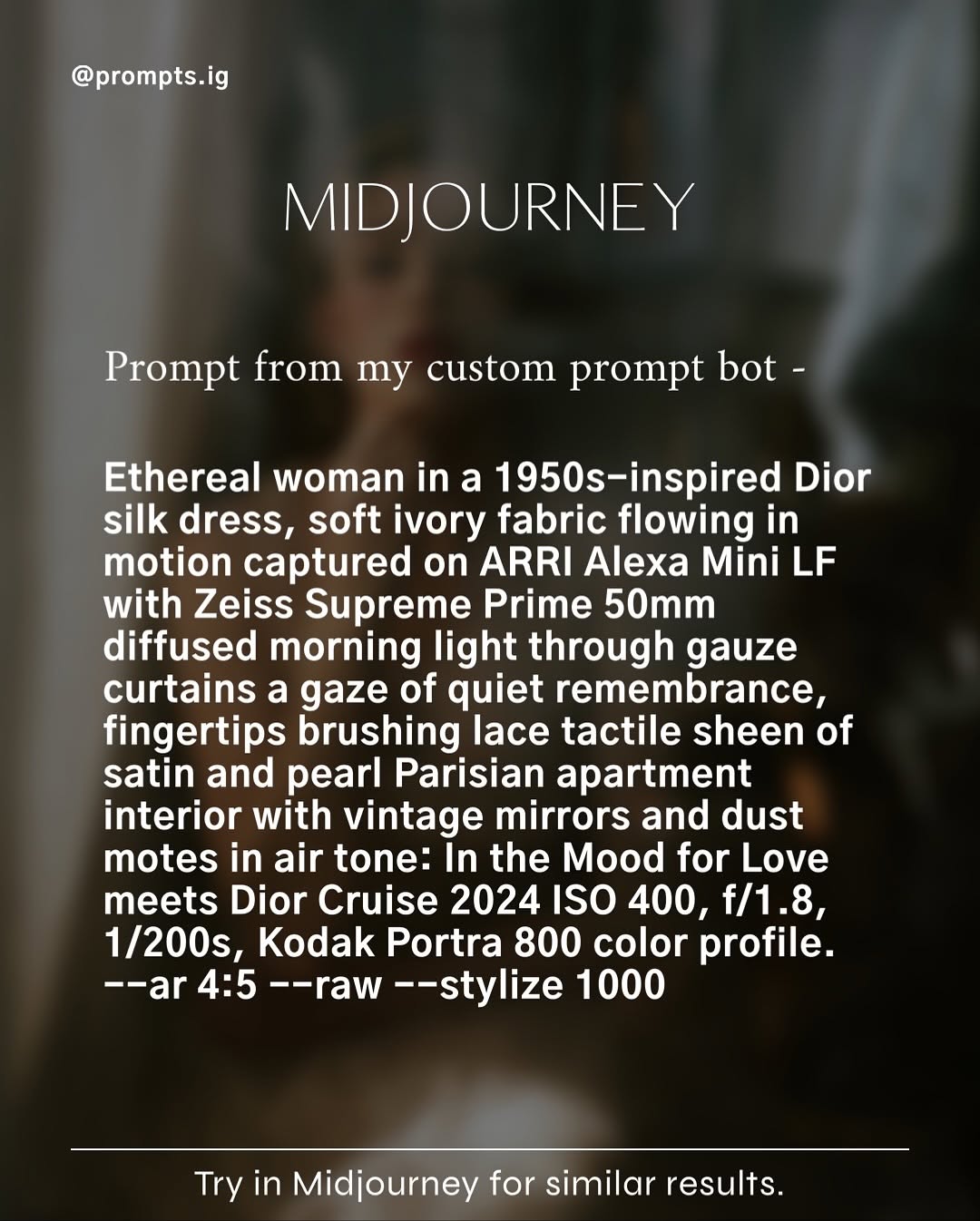
Technical specs like “Kodak Portra 800,” “Zeiss Supreme Prime,” and “f/1.8” are instructions. They signal Midjourney to simulate shallow depth of field, organic color science, and analog grain. Referencing an “ARRI Alexa Mini LF” forces the AI away from a flat digital look toward a cinematic wide-dynamic-range feel.
Lighting as a Narrative Tool
In AI cinematography, the light source matters more than the subject. Kill harsh digital glare by using “Morning Haze” or “Gauze Curtains.”
Soft lighting blurs the lines between the subject and the background. Adding “dust motes in the air” mimics how film captures light particles, providing a nostalgic glow rather than a generated one.
Movement and Imperfect Frames
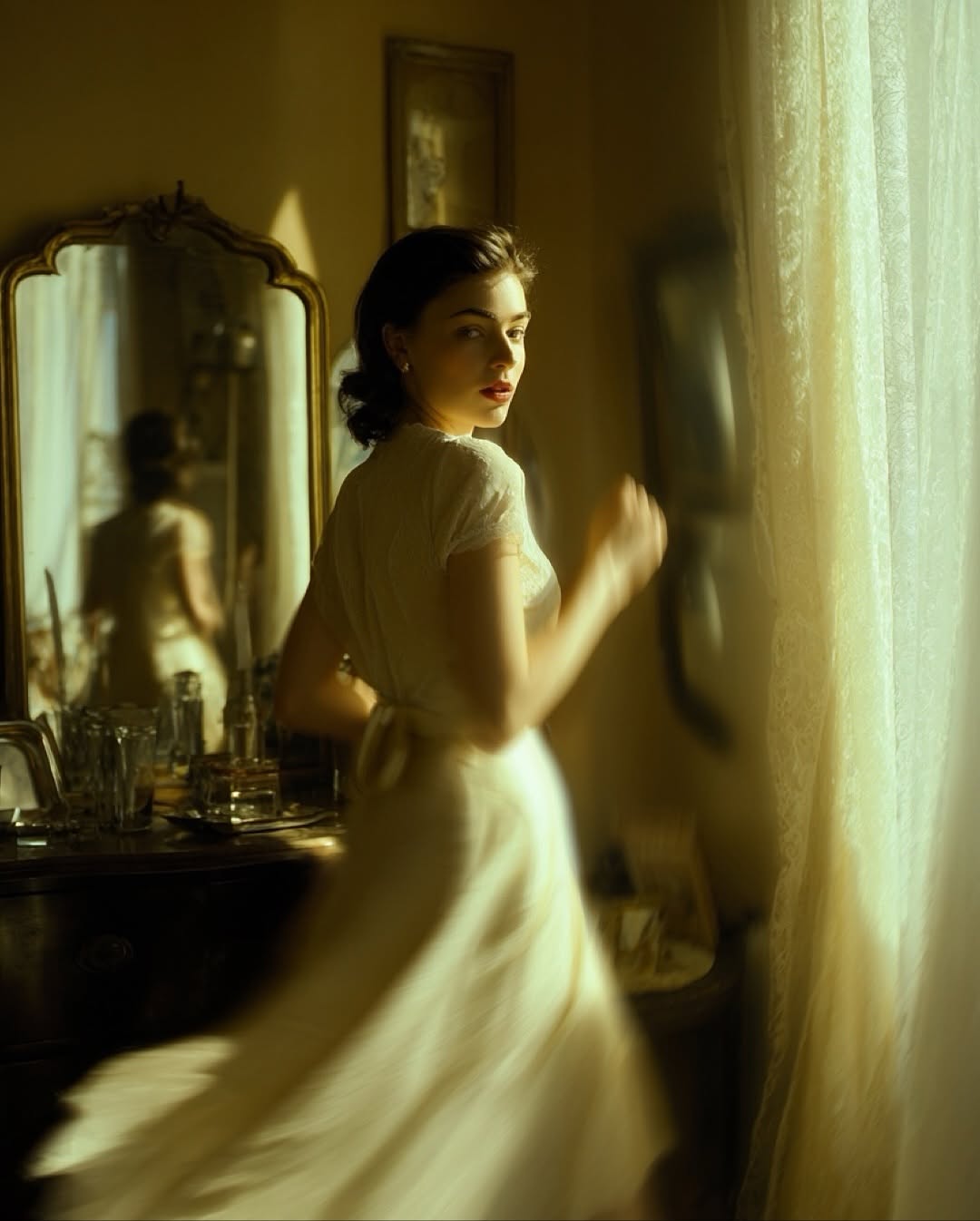
The biggest giveaway of AI is a frozen, static frame. To breathe life into images, prompt for imperfections.
Ask for “spinning,” “flowing in motion,” or “blurred movement.” This makes the shot feel candid, as if a photographer caught a fleeting moment. It is essential for making a digital editorial feel like a high-stakes fashion shoot.
Bringing “The Mood for Love” into Fashion
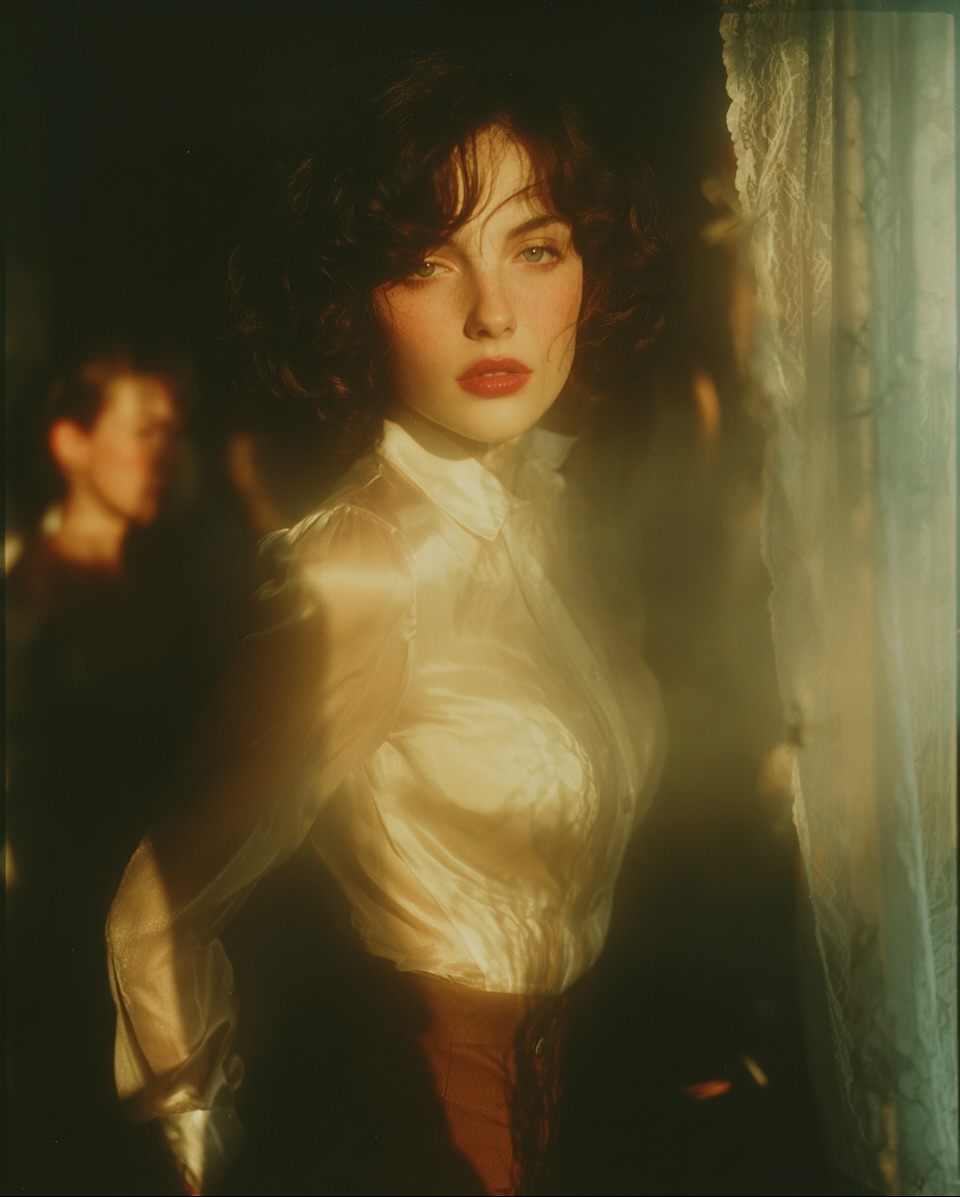
The best AI artists use cinema to guide the “soul” of an image. One effective mashup is “In the Mood for Love meets Dior Cruise 2024.”
This bridges Wong Kar-wai’s moody, saturated colors with modern luxury. The resulting palette is rich in shadow, where clothes become part of a story. Dramatic lighting creates a cinematic weight that basic fashion prompts cannot touch.
Final Takeaway
High-end AI art is about the right details, not “8k ultra-detailed” buzzwords. Moving from a “generated” look to a “captured” look requires a command of lighting, fabric physics, and camera gear.
The future of virtual fashion positions the creator as a digital director. Take the prompt from Image 7 and experiment: swap “Dior” for “Schiaparelli” or switch the film stock to “Fuji Pro 400H” for cooler tones. The tools are ready; tell a story.